










Is it possible to stop Blood Pressure Medication?
Key Takeaways
- Gradually tapering off blood pressure medication under the guidance of a cardiologist is safer than
abruptly stopping. - Lifestyle changes play a crucial role in managing blood pressure without medication.
- Regular monitoring and consultation with a Cardiologist are essential.
Introduction
If you’re wondering how to stop taking blood pressure medication safely, you’re not alone. Many patients in my OPD practice manage their blood pressure through natural means.
In this comprehensive guide, we’ll explore effective strategies to help you transition off medication safely.
Understanding Blood Pressure Medication
Types of Blood Pressure Medication:
- Beta-blockers: These medications act on Beta receptors in the heart or the peripheral cardiovascular system. Their action is to drive the heart rate on the lower side along with relaxation of the blood vessels.
- ACE inhibitors / Angiotensin Receptor Blockers: These medications act against a hormone normally present in the system & are over-active, especially in Hypertensive patients. It acts on the blood vessels supplying the kidney & increases its diameter thereby decreasing the BP. There are multiple other mechanisms but this is the most effective way.
- Calcium channel blockers: These medications act on the blood vessels ( arteries) directly & dilate these vessels. This causes a direct decrease in the blood pressure. Calcium Channel Blockers are one of the most common medications used to treat hypertension.
- Diuretics: To put it simply, diuretics increase the amount of salt & water that is excreted from the kidneys in the form of urine. Over time, it decreases the amount of blood volume & thus decreases blood pressure. Diuretics are one of the most efficient ways of decreasing blood pressure.
What are the risks of stopping anti-hypertensive medication abruptly?
It is recommended that anti-hypertensive medications should be gradually tapered off and stopped only if your physician feels that you are eligible to do so.
Stopping the medication abruptly without medical supervision is not advised as it can potentially lead to an increase in blood pressure acutely which can lead to further complications. To avoid these possible complications & rebound hypertension, close medical supervision is essential.
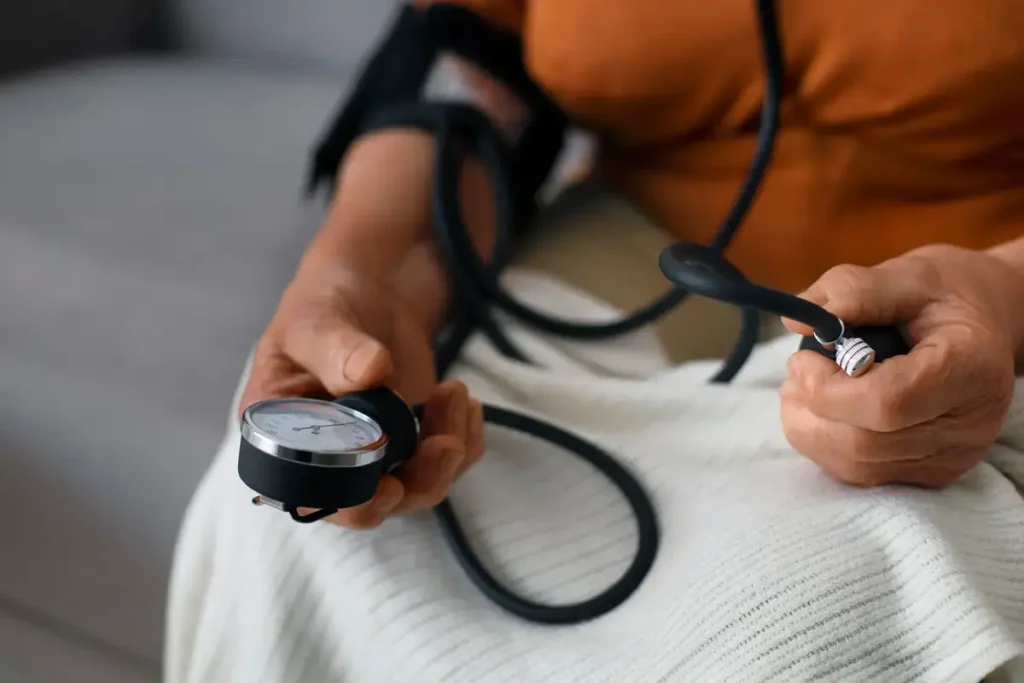
Preparing to Stop Blood Pressure Medication
We usually first like to determine the cause of the increase in blood pressure. Sometimes, if the cause of an increase in blood pressure is treatable, the blood pressure normalizes without needing medication or the medication can be stopped gradually & safely.
Once the blood pressure medication is stopped, we like to measure the average 24-hour Blood Pressure reading to see if there are any episodic rises in the blood pressure & how the nighttime blood pressure is. With a detailed analysis of such recordings, we chalk out a personalized treatment plan & lifestyle modifications in the journey of decreasing & eventually stopping your blood pressure readings.
We also specialize in an advanced procedure called as Renal Denervation therapy where in a minimally invasive fashion, we alter the nerve supply of the blood vessels to the kidneys to decrease the number of blood pressure medications & eventually stop any BP medication altogether.
Related: How to Stop Heart Attack: Preventive Measures & Lifestyle Changes
Consult Your Healthcare Provider
It is of utmost importance that a patient gets treated by a cardiologist with experience managing these blood pressure medications. A patient should enquire with their health care provider whether his case is suitable to go off medications & what is the reason for the Blood Pressure to go up.
A personalized approach to managing your blood pressure is most important as every case has a unique aspect in management and a unique treatment plan should be generated with each & every patient.
The blood pressure medications are tapered gradually throughout 1 to 3 months & in this phase, patients need to be monitored closely.
Natural Alternatives to Manage Blood Pressure
Many patients nowadays come to the OPD to seek alternative forms of managing blood pressure apart from medications. Although these medications provide excellent control over blood pressure with minimal side effects, some patients are adamant about seeking alternative treatment care plans.
One of the most effective ways of controlling blood pressure is to maintain an active lifestyle with daily exercise & strict control over body weight. It has been found from various studies that a decrease in every 5 kg weight decreases the blood pressure by at least 4 points.
A control over the diet with a decrease in consumption of common salt (recommended levels for an adult is < 5 grams/ day) is extremely important to keep control over your blood pressure.
DASH diet consists of having a healthy meal plan in the form of decreasing salt & refined sugar intake, and a decrease in consumption of saturated fatty acids & triglycerides. A decrease in consumption of processed & packaged food also is included in this diet plan. Regular consumption of potassium-rich foods in general helps decrease blood pressure.
Regular Physical Activity
It is recommended to do at least 30-40 minutes of moderate physical exercise every day, at least 5 days in a week. The simplest form of exercise is a brisk walk which requires no equipment and is one of the best exercises for your heart as well as your musculoskeletal system.
Strength training in the form of self-body weight exercises also plays a role in keeping adequate muscle mass & to keep BP in control.
Stress Management Techniques
– Meditation and mindfulness, Yoga and breathing exercises have an impact on relaxing the body and are a good form of physical & mental activity to keep your blood pressure in check. A sustained effort is usually more important in such cases to maintain a healthy blood pressure.
Impact of stress on Blood Pressure : Blood Pressure has a direct co-relation with mental & emotional stress. It is well known fact that people who have a temperament of facing any situation with stress tend to have a higher blood pressure.
Maintaining a Healthy Weight :
The reverse is also true, a decrease in body fat with a decrease in waist circumference also causes a decrease in blood pressure. A decrease in body weight also decreases the amount of fat surrounding the neck, thus decreasing the severity of Obstructive Sleep Apnoea, which is one of the hidden causes of an increase in blood pressure.
A rough idea to know your healthy weight in adults is to subtract 100 from your height in cent-meters. The remainder is the ideal weight that you should be aiming to maintain.
Limiting Alcohol and Caffeine Intake
There are no studies to indicate that alcohol consumption has a beneficial effect on cardiovascular health, especially in the Indian population.
There should be a limit on caffeine consumption as well. A safe limit is to consume 2 cups of coffee each day.
Smoking Cessation
Early cessation of smoking helps in bringing down blood pressure acutely & has a sustained long-term benefit on cardiovascular health.
Monitoring and Tracking Your Blood Pressure
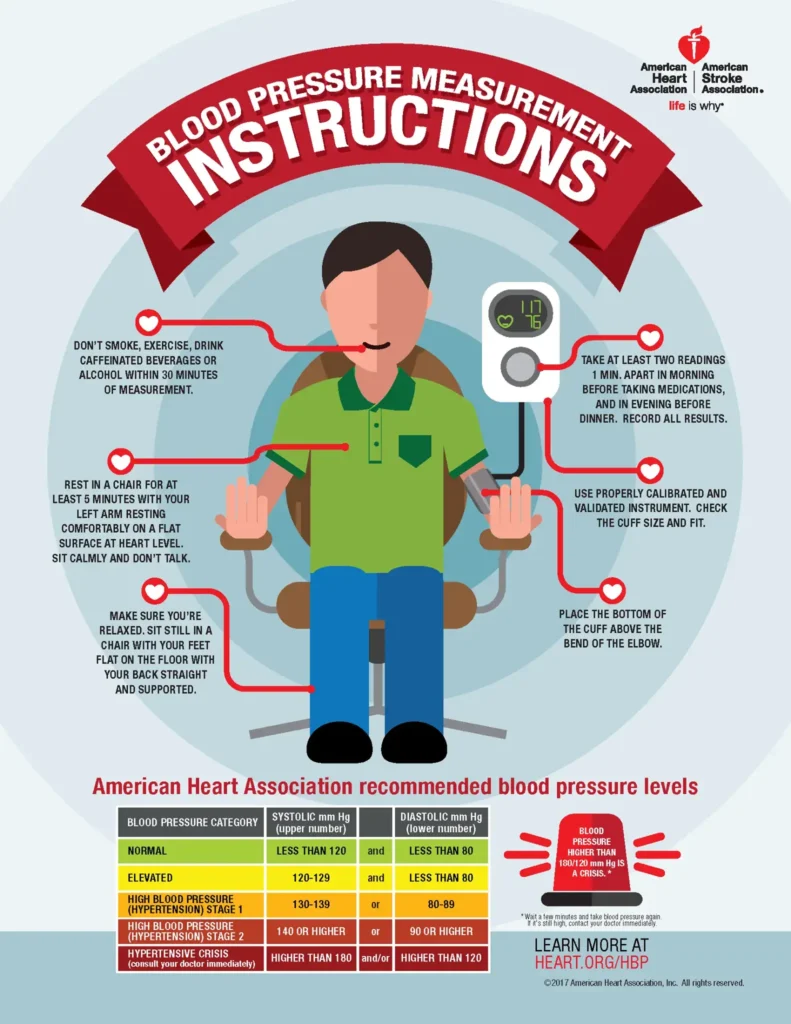
Home Blood Pressure Monitoring
Keeping a blood pressure diary helps in keeping a log of BP measurements & these trends can help in the prescription of the best possible medication for a given patient.
Regular Check-ups with Your Doctor:
Regular visits to your doctor’s clinic are one of the cornerstones of maintaining healthy blood pressure control. It is recommended to follow up with a physician experienced in the management of blood pressure or to follow up with a cardiologist.
The ideal follow-up duration should be 3-6 months to discuss the titration of medicines & changes in treatment plans if any.
Related: Angiography vs. Angioplasty: Which is Right for You?
Conclusion
In conclusion, while it is possible to stop blood pressure medication, it must be done carefully and under the guidance of a healthcare professional. Gradually tapering off medication, rather than stopping abruptly, minimizes the risk of complications such as rebound hypertension.
Lifestyle changes, including regular exercise, a balanced diet, and stress management, play a crucial role in maintaining healthy blood pressure levels without medication. Monitoring your blood pressure at home and having regular consultations with your cardiologist are essential steps in this process.
Remember, each individual’s situation is unique, and a personalized plan is necessary for safely managing blood pressure.
Don’t risk your heart health. Consult with Dr. Anesh Jain, the best cardiologist in Pune, to create a tailored treatment plan.
7 Warning Signs: When It's Essential To See A Cardiologist
July 16, 2024[…] Related: How to Stop Taking Blood Pressure Medication Safely […]
How To Stop Heart Attack: Preventive Measures
July 17, 2024[…] Related: How to Stop Taking Blood Pressure Medication Safely […]
What Causes Heart Attacks At A Young Age?
September 12, 2024[…] Related: Is it possible to stop Blood Pressure Medication? […]